
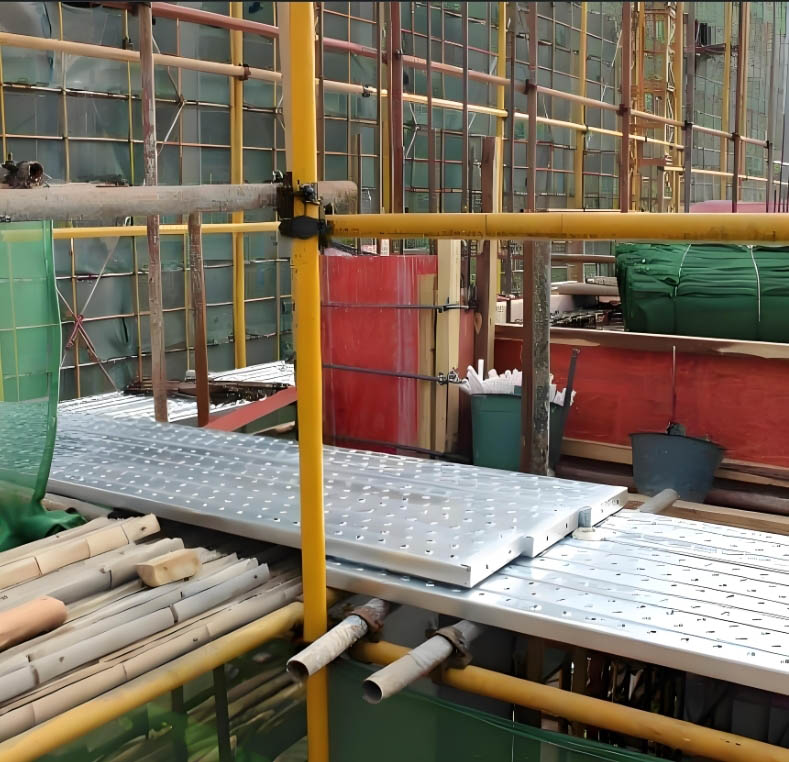
Common Causes of Scaffolding Accidents
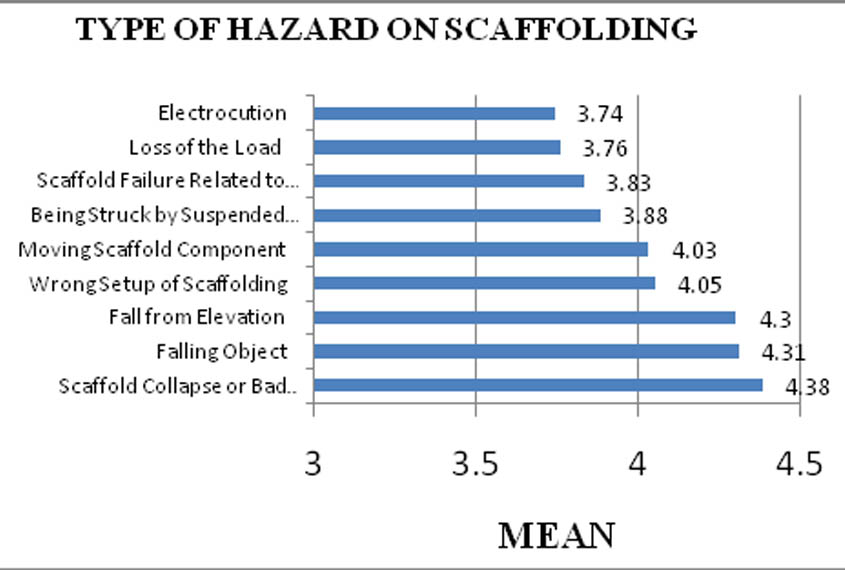
1. Falls from Height
● The most common and dangerous scaffolding hazard.
● It is often caused by missing guardrails, improper access, platform failure, or lack of fall protection.
2. Falling Objects
Tools or materials can fall and injure workers below.
This is often caused by unsafe work practices, unsafe items, missing toeboards, or poor housekeeping during installation or dismantling.
3. Structural Damage to Scaffolding
A collapse can occur due to overloading, poor assembly, use on unstable ground or surfaces, or equipment damage.
Strong winds or inclement weather can also compromise structural integrity.
4. Platform Hazards
Slips, trips, and falls can occur due to wet, cluttered, or uneven surfaces.
Poor-quality planking or gaps between components increase the risk.
5. Risk of Electric Shock
Scaffolding placed too close to overhead power lines can pose a serious hazard.
Metal components conduct electricity, making contact with them particularly dangerous.
6. Lack of Training and Supervision
Without proper training, workers may misuse scaffolding or fail to recognize hazards.
Lack of supervision can lead to uncontrolled unsafe behavior.
Scaffolding end-users may modify scaffolding after handover, posing serious safety risks and potentially causing it to fail inspection.
Potential Risks of Scaffolding
Risk of Falls from Height
High Compliance
93% of decks have safety guards every two meters (no more than three meters) to protect scaffold workers from falls.
80% of the clearances between the ramps/decks and the building floor are 300 mm (vertical) or less.
92% of vehicles use two upper platforms and are equipped with tie bars.
90% of work surfaces lack material to provide safe access (minimum 450 mm).
Needs Improvement
30% of sites have a clearance of 225 mm or less (horizontally) between the scaffolding platform and the edge/surface of the building. 24% of vessels lacked safe access to each working deck and inadequate guarding around access routes.
29% of buildings lacked skirting boards/brick guards.
30% of lap boards were not tied down and secured.
Risk of Scaffolding Collapse
High Compliance
93% of scaffolds were erected on a solid foundation.
98% of loads placed on the scaffolds were within their rated capacity.
92% of guard plates/nets were able to withstand wind loads.
Needs Improvement
21% did not have adequate connectors installed.
13% did not have adequate support (winding).
17% of sites did not implement vehicle protection measures (although this is required).
How to Improve Scaffolding Safety
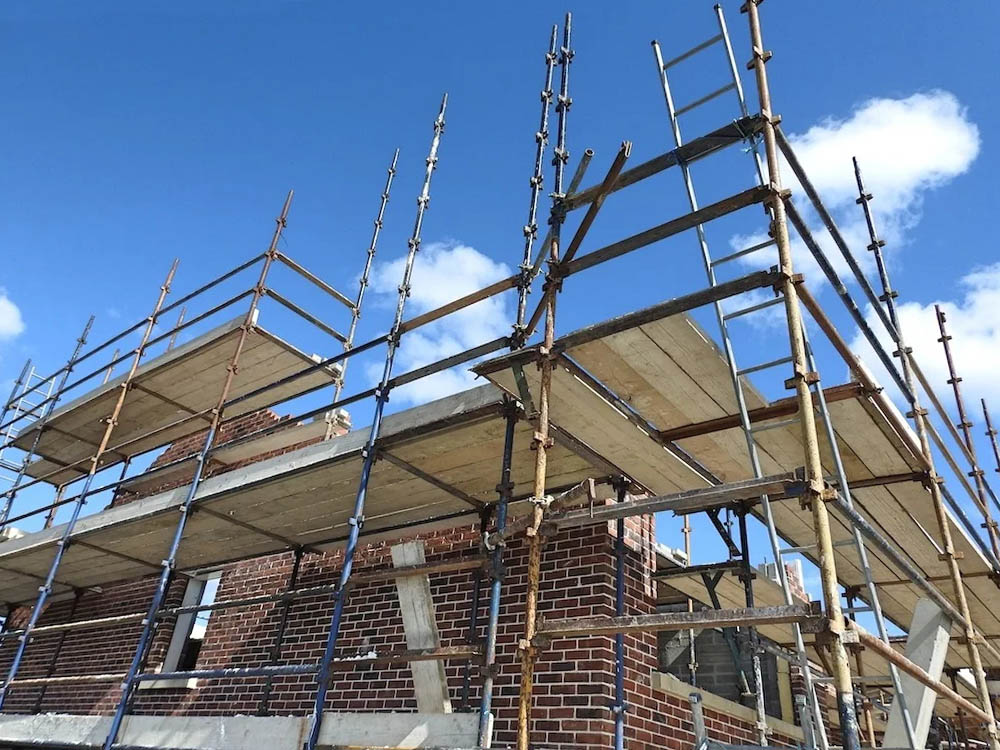
1. Provide Proper Training and Supervision
Proper training is the foundation of scaffolding safety. Workers should understand how to safely erect, use, and dismantle scaffolding and know what to do if they identify a hazard. Training should cover topics such as fall prevention, load limits, access requirements, and construction site hazards (including electrical wiring, proximity to pedestrian and vehicular traffic, and unstable ground).
Supervisors must also be trained to identify unsafe practices and intervene before accidents occur. Regular refresher courses and on-site supervision ensure that safety procedures are followed daily. This helps maintain compliance and fosters a safety-first culture.
Even after the scaffolding has passed inspection and been delivered, all end users (including tradesmen, subcontractors, and site workers) must understand that unauthorized modifications can compromise the structural integrity and affect inspection results. Training should emphasize that only qualified personnel can make modifications, and that any modifications must be reported and re-inspected. Supervisors must also regularly monitor the use of the scaffolding to ensure it remains compliant throughout its lifecycle.
2. Use the Correct Scaffolding Materials and Equipment
Selecting the appropriate scaffolding type and material for each job is crucial to ensuring safety. Different types of scaffolding (such as tube and fitting scaffolding, system scaffolding, and suspended scaffolding) are designed for specific applications and loads. Using the wrong type of scaffolding can result in instability, structural damage, or non-compliance with safety regulations.
In addition, all scaffolding materials must meet structural and safety standards. Using defective, corroded, or mismatched components significantly increases the risk of collapse or injury. Components should be regularly inspected, properly maintained, and properly stored to ensure they remain safe and secure on site.
3. Regularly Inspect and Maintain Scaffolding
Routine inspections are crucial. Knowing how to properly inspect scaffolding can prevent many common problems, such as loose planks or missing guardrails. Typically, the following inspections are performed:
● Before each shift
● After any modifications
● After inclement weather
● At intervals specified by local regulations
A documented inspection process promotes accountability and ensures that any issues are addressed promptly.
4. Comply with applicable safety codes and scaffolding regulations
Different regions have specific safety codes and scaffolding regulations covering scaffolding erection, permitted working heights, fall protection, load capacity, and distance from power lines.
● Understand and follow these guidelines.
● Identify and mark overhead hazards.
● Ensure that appropriate personnel disconnect power lines, or that workers maintain the required distance from power lines when working nearby.
Maintaining compliance not only reduces the risk of injury or electric shock but also protects your business from legal and financial penalties.
5. Select high-quality scaffolding to reduce accident rates
Selecting high-quality scaffolding to reduce accident rates is key to ensuring construction safety. High-quality scaffolding should be hot-dip galvanized to prevent rust and corrosion, and have a service life of over 15 years. Prioritize scaffolding brands with large scale, comprehensive qualifications, and strong after-sales service to ensure product lifecycle control.