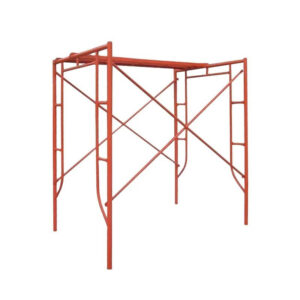
H Frame Scaffolding
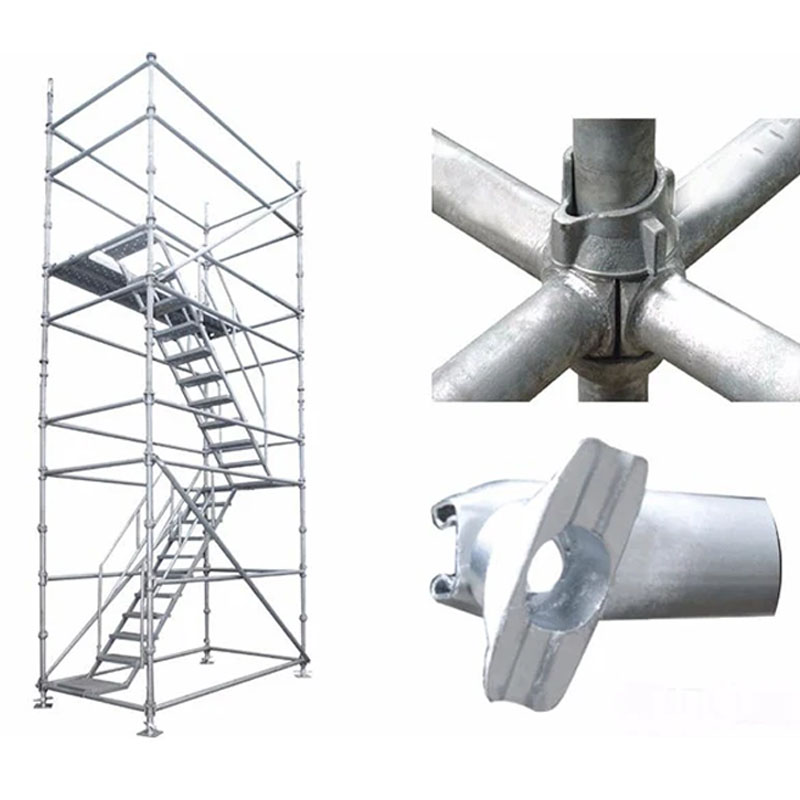
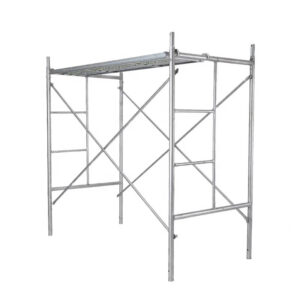
Cheap Q235 Steel Mobile 1.7m Pre Galvanized Frame Scaffolding
H Frame Scaffolding
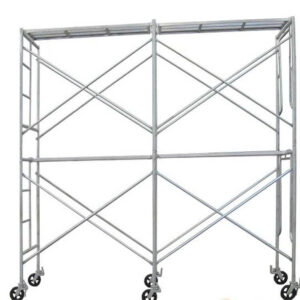
Cheap Q235 Steel Zinc Coated Mobile 1.7m Pre Galvanized Walk Through Scaffolding Frames
H Frame Scaffolding
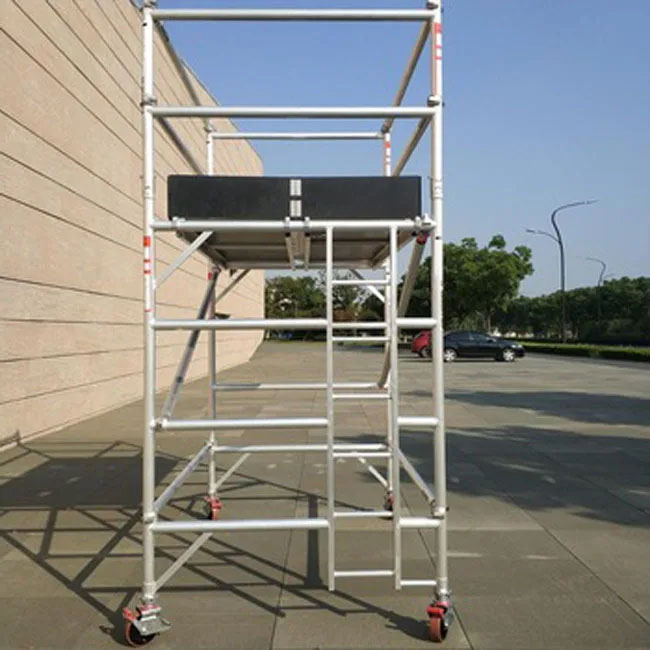
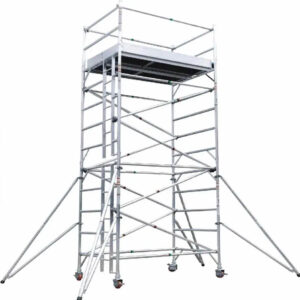
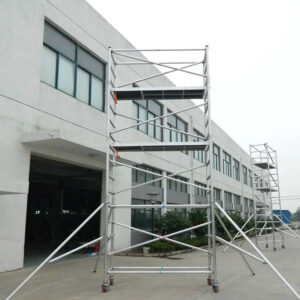
Double Width Aluminium Mobile Scaffolding Tower 20m Height For Industrial Use
H Frame Scaffolding
H Frame Scaffolding
H Frame Scaffolding
Safety First
Enhanced Stability
Space Efficiency
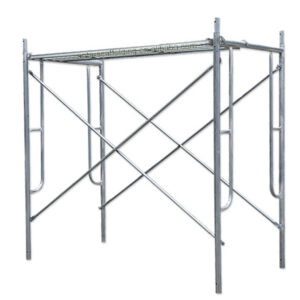
H-Frame Scaffolding System Components
1. H-Frame
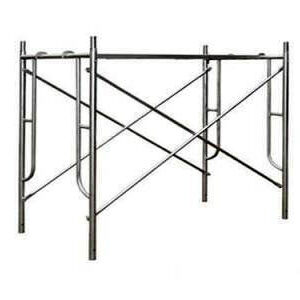
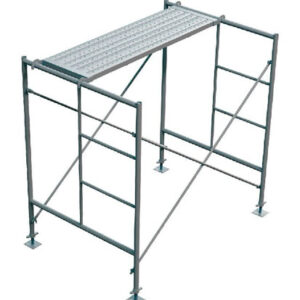
H-Frame forms the backbone of the scaffolding system. It consists of two vertical frames connected by horizontal cross braces, forming a distinctive “H” shape. These frames provide vertical support and stability to the entire structure.
2. Cross Braces
Cross braces are horizontal bars that connect the two vertical frames of the H-Frame Scaffolding. They play a vital role in preventing lateral movement and swaying, thereby ensuring the structural integrity of the scaffolding. They are usually placed in a diagonal formation, forming an “X” shape.ars of professional electrical manufacturers.
3. Single Braces
Single braces are additional horizontal bars that are used to further strengthen the structure. They are placed horizontally between the vertical frames to provide additional stability to the scaffolding system.
4. Plane Braces
Plane braces, also known as horizontal braces, are parallel to the working platform. It connects the vertical frames, ensures the stability of the scaffolding, and provides support to the working surface. This bracing helps to evenly distribute the weight on the scaffolding.
5. Tie Braces
Tie braces are used to connect the scaffolding to the building or structure it is attached to. It prevents the scaffolding from swaying or tilting, thereby enhancing
Steps to assemble an H-frame Scaffolding
By understanding and properly assembling these components, workers can ensure the stability, safety, and functionality of the H-frame scaffolding system. It is critical to follow the manufacturer's guidelines and industry best practices during assembly and use.
2. Arrange components: Arrange all components, including H-frames, cross braces, single braces, horizontal braces, and tie rod braces. Make sure all components are intact.
3. Place H-frames: Stand the vertical H-frames upright in the desired location. Make sure they are aligned and parallel to each other, with the wider part of the frame facing outward.
4. Install cross braces: Place the cross braces diagonally between the vertical frames. First secure the top of the brace on one side, then the bottom on the other side. This forms an "X" shape, providing lateral stability.
5. Add single braces: For added stability, insert single braces horizontally between the vertical frames. These braces strengthen the structure and prevent swaying.
6. Install flat braces: Place the flat braces parallel to the work platform, connecting the vertical frames. This helps to evenly distribute the weight and further strengthen the scaffold.
7. Securely attach the braces: If the scaffold is used to support a building or structure, securely attach the braces to prevent any lateral movement. Make sure the braces are properly anchored and securely fastened.
8. Install the working platform: Place the working platform or planks on the horizontal bars formed by the cross braces. Make sure the platform or planks are secure and evenly distributed to support the weight of the workers and materials.
O E M & O D M S e r v i c e
Scaffolding Solution
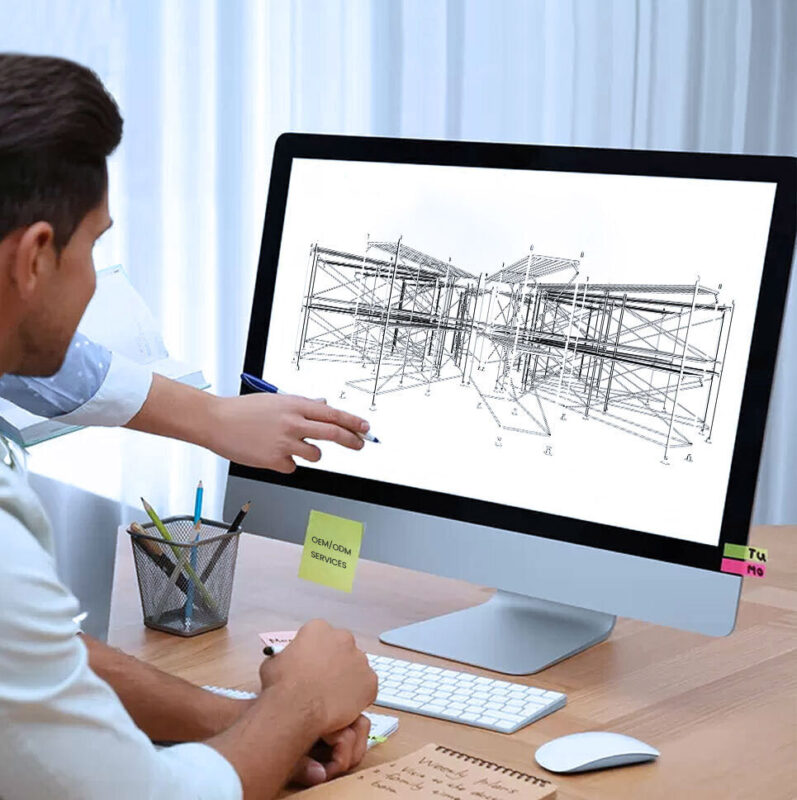
Kawasaki Scaffolding supplier specialized in the industry for over 20+ years with rich experience in different construction projects, and are familiar with variety of scaffold standards, such as EU, ANSI and so on. Our team can design and customize for unique requirements, and assure the safety, efficiency and reasonable price.
We have ODM and OEM services We will create a group for you and the people who serve you, and all customized progress messages can be replied to in the shortest time. The following is our entire service process:
Send Inquiry Now